11 Aug 2026
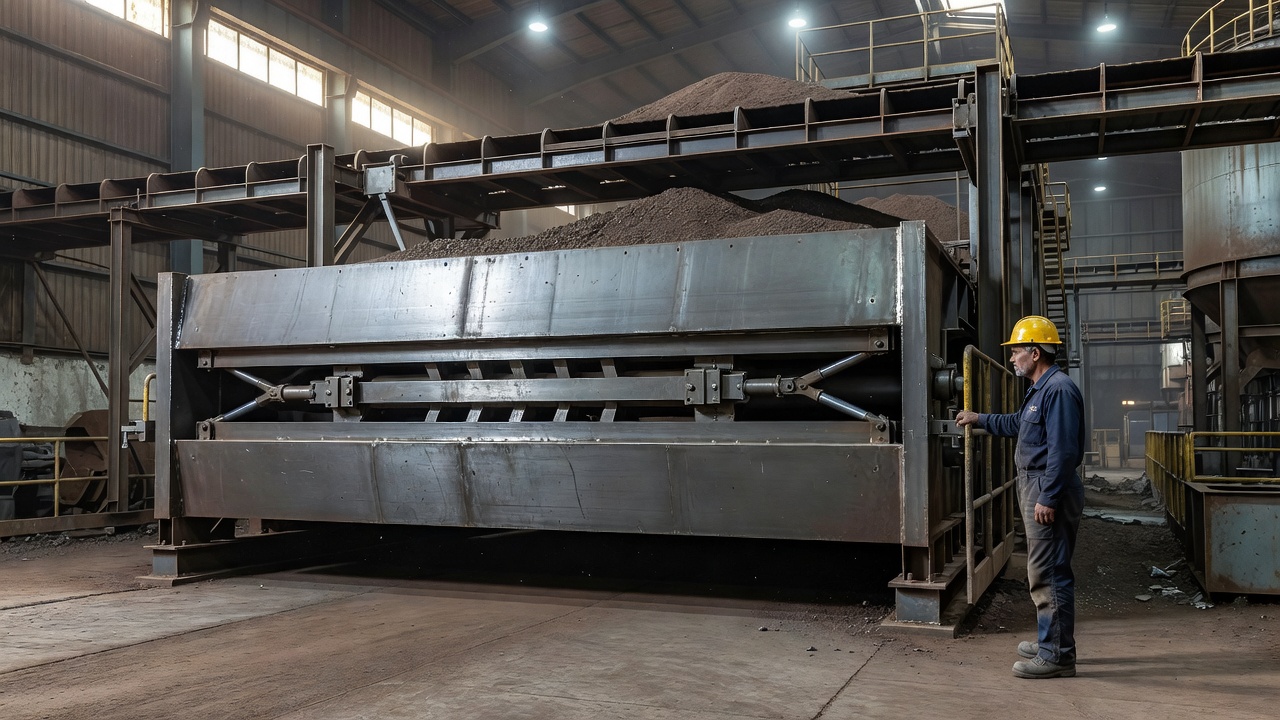
Silogate systems are designed with precise specifications that influence their performance in industrial settings. The numbers associated with these gates, such as capacity ratings and operational speeds, help users assess suitability for specific applications. Accurate interpretation of these figures can lead to better resource management and reduced downtime.

Primary Performance Indicators
One of the most critical numbers is the maximum load capacity, often rated at 10,000 kilograms for standard models. This figure accounts for both static and dynamic loads during gate operation. Efficiency ratings typically range from 85 to 95 percent, reflecting energy consumption and throughput rates. Cycle time, measured in seconds per opening and closing, averages 15 seconds, impacting overall workflow speed. Monitoring these indicators allows for timely maintenance and optimization of processes.
Users should also consider environmental factors that affect these numbers, including temperature ranges from -20 to 50 degrees Celsius and humidity levels up to 80 percent. Deviations can alter performance metrics significantly.
Maintenance and Reliability Statistics
Reliability is quantified through mean time between failures, which for quality Silogate units exceeds 5,000 hours. Scheduled maintenance intervals are recommended every 1,000 operational hours to ensure longevity. Replacement part costs and frequency data show that seals and motors are the most common items, with an average service life of three years. Tracking these statistics helps in budgeting and inventory planning for spare components.
Data from multiple installations indicate that proactive monitoring reduces unexpected repairs by up to 40 percent. This underscores the value of regular numerical analysis in preventive strategies.
Comparative Analysis Across Models
Different Silogate models exhibit varying numbers based on size and features. Compact versions might handle 2,000 kilograms with faster cycles of 10 seconds, while heavy-duty options scale up capacities accordingly. Cost per ton processed is another key metric, often falling between 0.05 and 0.15 currency units depending on scale. Comparing these across options enables selection of the most appropriate system for particular needs, promoting sustainable operations over time.