3 May 2026
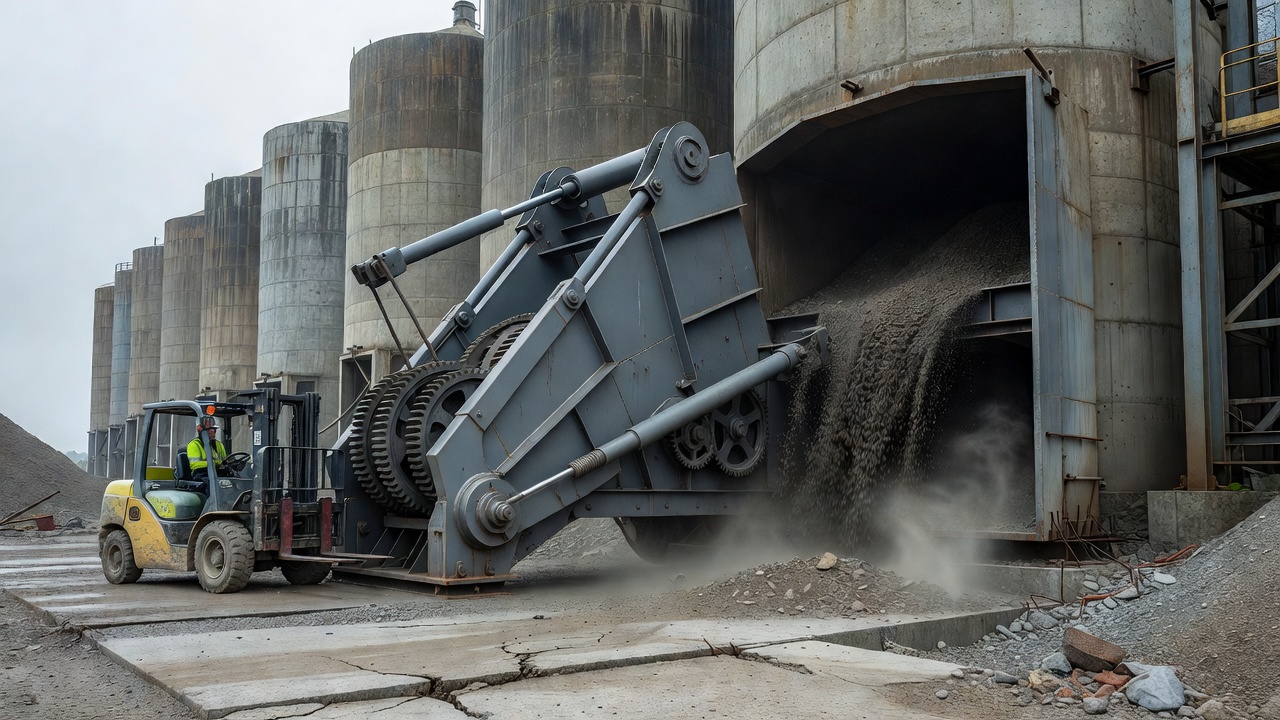
Silogate systems provide controlled access and management solutions for storage structures, commonly used where secure containment of bulk materials is essential. These mechanisms integrate mechanical, electronic, and safety features to regulate flow and prevent unauthorized entry or accidental release.
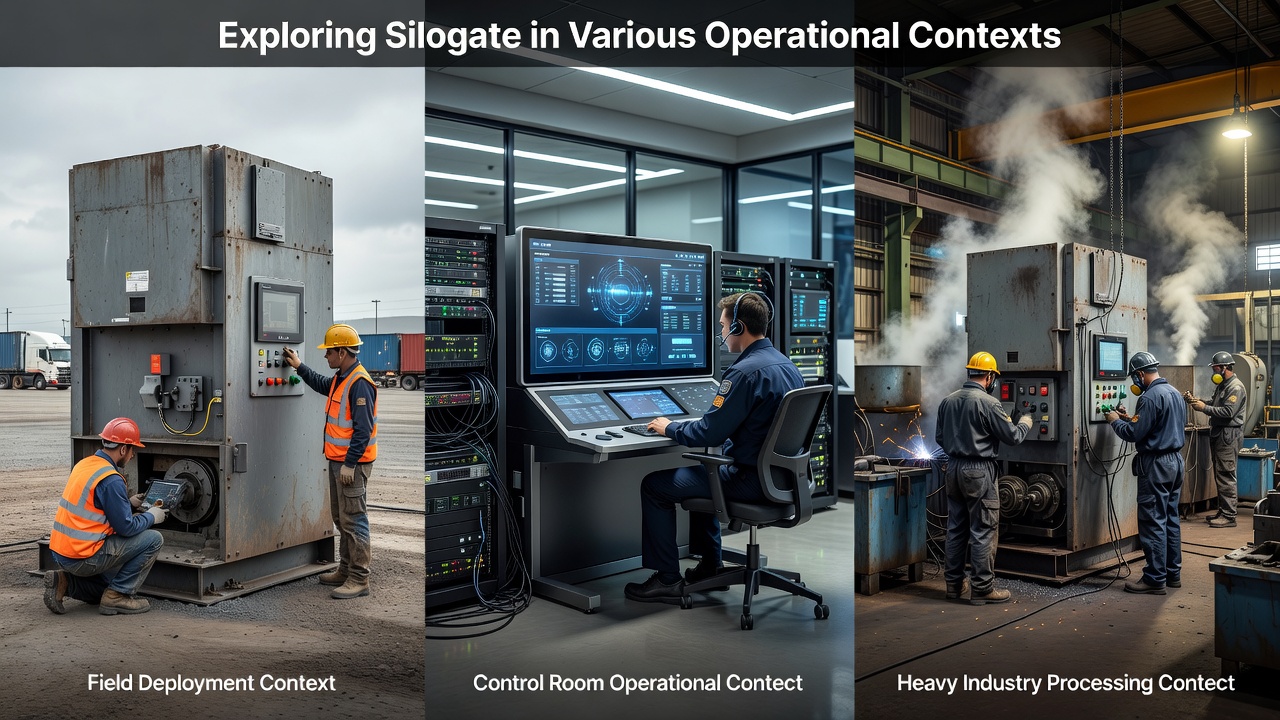
Silogate in Agricultural Settings
In farming operations, Silogate units help maintain grain quality by limiting exposure to moisture and pests. Farmers install them on vertical storage towers to control discharge rates during loading and unloading. Proper calibration ensures even distribution, reducing spoilage risks and supporting consistent feed or seed supply throughout the season. Regular inspection of seals and actuators forms part of standard upkeep to preserve functionality under varying weather conditions.
Integration with monitoring sensors allows remote status checks, enabling operators to track gate position and inventory levels without physical presence at each silo. This approach supports efficient resource planning and minimizes downtime during peak harvest periods.
Silogate in Industrial Environments
Manufacturing and processing facilities apply Silogate technology to handle powders, pellets, and other granular substances. The systems facilitate precise batching and transfer between processing stages while meeting containment standards. Heavy-duty models withstand abrasive materials and high-cycle demands typical of continuous production lines.
Compliance with safety protocols requires interlocking controls that prevent operation during maintenance. Training programs for personnel emphasize correct sequencing to avoid material bridging or unintended discharge. Documentation of installation parameters aids troubleshooting and future upgrades.
Key Considerations for Implementation
Selection of a Silogate model depends on silo dimensions, material characteristics, and environmental factors. Site assessments evaluate structural load, power availability, and integration points with existing conveyors. Professional installation followed by testing verifies reliable performance before full operation begins. Ongoing maintenance schedules, including lubrication and component replacement, extend service life and maintain safety margins across diverse applications.