5 Aug 2026
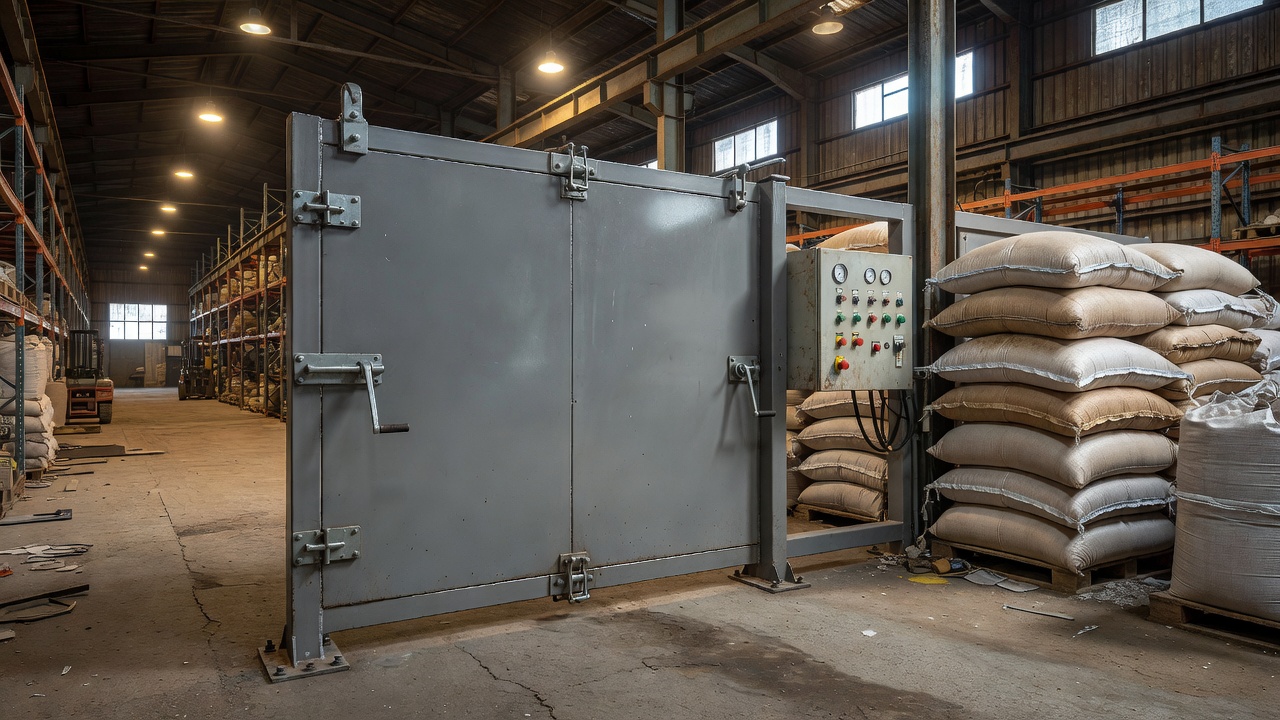
Silogate offers a practical method for managing access and containment in storage environments. It uses durable materials paired with control mechanisms to maintain integrity over time. Operators value its straightforward design that supports consistent performance across different conditions.
Core Components of Silogate
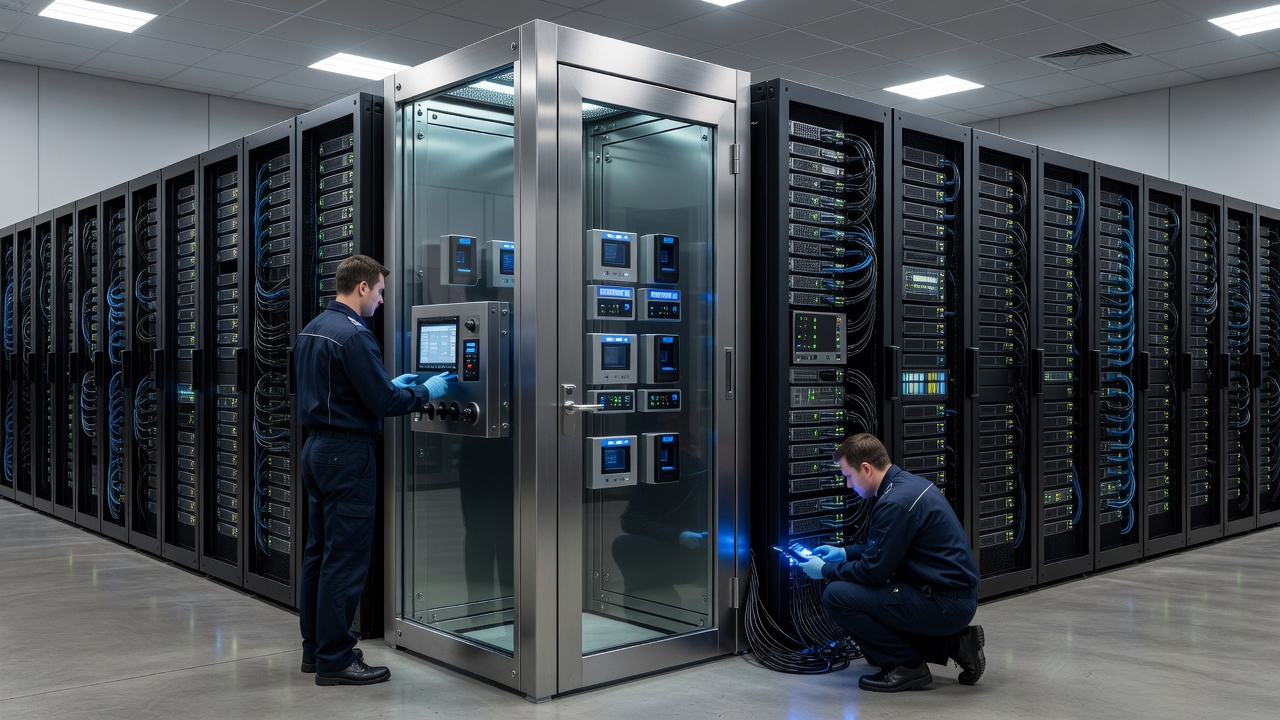
The system centers on a reinforced barrier that resists wear from repeated use. Integrated sensors track pressure levels and environmental factors without constant manual checks. Control units connect to existing setups for automated responses when thresholds are reached. Modular sections allow targeted repairs rather than full replacements. This structure reduces overall operational interruptions while supporting various load requirements.
Power options include standard electrical connections or backup systems for reliability. Seals are engineered to handle temperature shifts and moisture exposure effectively. Documentation provides clear guidelines for initial calibration and routine adjustments.
Key Benefits in Daily Operations
Facilities report improved containment that minimizes material loss during storage periods. Access logs generated by the unit aid in tracking usage patterns over months or years. Compatibility with monitoring software enables data review without specialized hardware. Cost considerations favor Silogate due to its extended service intervals compared to basic alternatives.
Adaptability suits both small-scale and larger installations through scalable configurations. Safety protocols built into the design help meet standard industry expectations for hazard reduction. Training resources focus on basic operation to ensure teams can manage daily tasks efficiently.
Maintenance Practices for Extended Use
Scheduled visual checks identify early signs of surface degradation before they affect function. Lubrication points require attention at manufacturer-specified intervals to preserve movement. Component testing verifies sensor accuracy and response times remain within acceptable ranges. Replacement procedures are documented to support in-house teams when needed.
Record keeping of service history assists in predicting future needs and budgeting accordingly. Environmental factors such as dust or humidity influence the frequency of these activities. Overall, consistent care contributes to reliable performance across multiple seasons.